

Balance The Key to a Happier Life
Balance is a simple word with deep impact. When people speak about Balance they mean more than equal parts of time or energy. Balance is an inner compass that helps us make choices that align with our values and our goals. For readers of a tips site Balance matters because practical adjustments in daily habits can lead to measurable improvements in health mood and productivity. In this article we explore how to build sustainable Balance across work life home life social life and personal growth.
Why Balance Matters
Balance matters because it reduces stress improves focus and enhances relationships. Without Balance one area often consumes too much energy causing other areas to suffer. When priorities tilt too far toward work or toward social life or toward personal projects the result can be burnout fatigue and regret. Balance creates room for joy and for rest. It supports resilience and it helps people recover faster from setbacks. Search engines favor content that answers real human needs so writing about Balance also helps your content connect with readers who are actively seeking change.
Balance in Daily Habits
Daily habits are the building blocks of Balance. Simple habits such as consistent sleep times short breaks during work and balanced meals help create steady energy. Start by tracking one week to identify patterns that work and patterns that drain you. Replace extreme approaches with small shifts. Add movement to break long periods of sitting. Schedule blocks for focused work and then schedule blocks for recovery activities like reading or light exercise. Over time these small changes compound into greater mental clarity and more stable mood.
Emotional Balance
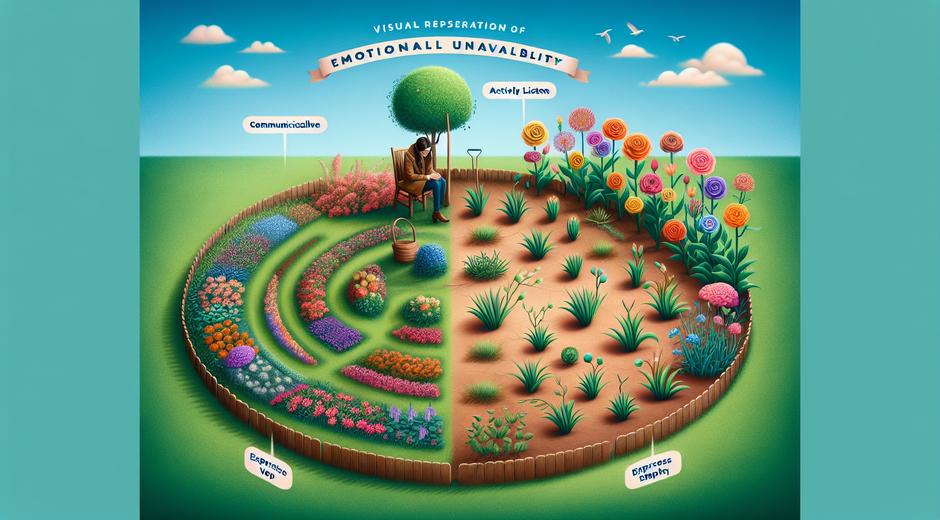
Emotional Balance means acknowledging feelings and responding rather than reacting. Techniques such as journaling mindful breathing and talking with trusted friends or professionals help build emotional skills. A daily practice of naming feelings reduces their intensity and helps you choose constructive responses. Setting boundaries gently and consistently also protects emotional energy. When you practice these skills your relationships improve and you feel more in control rather than swept along by circumstances.
Balance at Work
Work is a major source of meaning and income but it can also be a major source of stress. Creating Balance at work involves clear priorities realistic goals and communication. Start by identifying the three most important outcomes you need to achieve each week. Protect time to do deep focused work without interruptions. Use short check in times with colleagues instead of long meetings when possible. If your work culture allows flexible hours experiment with times when you are most productive and align tasks accordingly. If you need help with physical conditioning that supports Balance during intense training or long shifts consider trusted resources such as SportSoulPulse.com for training ideas and recovery strategies.
Physical Balance and Movement
Physical Balance includes strength flexibility cardio and coordination. Regular movement supports better posture reduces aches and improves mood. You do not need a complex plan to start. Aim for short sessions of movement most days. Include a variety of activities to engage different muscle groups and to keep things interesting. Balance exercises such as single leg stands gentle yoga or tai chi practice improve stability and reduce risk of falls at any age. Good sleep and proper nutrition support physical progress and make it easier to maintain sustainable habits.
Balance in Relationships
Relationships thrive when each person feels heard respected and free to choose. Balance in relationships means sharing responsibilities having fun and allowing space for individual growth. Communication is the core tool. Regular check ins where each person speaks without interruption help uncover needs and solve small issues before they grow. Practice gratitude and celebrate small wins together. When tensions arise take time to cool down and then return to the conversation with curiosity rather than blame.
Balance for Personal Growth
Personal growth requires time for learning reflection and practice. Many people struggle to find time for growth while handling daily obligations. The key is intentional micro steps. Read for twenty minutes each day practice a new skill in short sessions and reflect weekly on progress. Use a simple plan with clear short term targets and a few longer term goals. Avoid overloading your plan. Growth is more likely to stick when it is paced and aligned with your core motivations.
Practical Steps to Achieve Balance
Here are practical steps you can apply this week to build more Balance in your life.
- Audit Your Time Spend three days logging how you use your time then identify one change that will free up space.
- Set Boundaries Decide on clear start and end times for focused work and communicate them to others.
- Schedule Recovery Build short breaks into your day and prioritize sleep as a non negotiable.
- Prioritize Energy Do tasks that require high concentration when your energy is highest and save routine tasks for low energy times.
- Limit Multitasking Focus on one task at a time to improve quality and to finish faster.
- Invest in Movement Short walks or mobility routines help reset your body and mind.
- Connect with Others Plan brief social times that recharge you rather than drain you.
How Technology Can Support Balance
Technology can be both a challenge and a tool for Balance. Use technology to automate tasks set reminders and to limit distractions. Turn off non essential notifications during focus times and use apps that track habits or meditations to build consistency. When choosing digital tools pick options that align with your goals. For example an app that helps you monitor sleep or provides guided movement sessions can support physical balance. For specialized training advice and programs you may find helpful suggestions and resources at romantichs.com where practical tips are presented in an easy to use format.
Overcoming Obstacles to Balance
Obstacles to Balance are common. Common barriers include fear of missing out perfectionism lack of clear goals and external demands. Tackle these by setting limits on commitments learning to say no and by simplifying routines. If you struggle with perfectionism aim for good enough work that moves you forward rather than waiting for ideal conditions. If external demands overwhelm you negotiate realistic timelines and enlist support. Remember that Balance is dynamic and not a fixed state. It changes with seasons of life and with shifting priorities.
Measuring Progress
Measure progress with simple trackers and reflective questions. Ask weekly what felt better this week and what drained energy. Track sleep mood and productivity to notice patterns. Use small indicators rather than complex metrics. Over time small consistent gains add up to meaningful change. Celebrate milestones and adjust your approach when needed. Flexibility in methods helps you keep Balance when life brings surprises.
Conclusion
Balance is a practical skill that anyone can develop with intention and consistent effort. It supports mental clarity emotional stability physical health and richer relationships. Start with one small change this week and build from there. Use simple habits protect time for what matters and choose tools that help rather than distract. If you need further ideas resources and step by step plans you can explore trusted content at romantichs.com and review physical training resources at SportSoulPulse.com. With steady practice Balance becomes less of a goal and more of a natural way to live.