

Understanding Attachment Styles and How They Shape Your Relationships
Attachment styles are patterns of how people relate to others in close relationships. Rooted in early bonds with caregivers these patterns affect how we communicate handle conflict and seek support in adult relationships. Knowing your attachment style can be a powerful step toward healthier connections greater emotional balance and smarter choices in love and life.
What Are Attachment Styles
Attachment styles were first described by psychologists who studied infants and caregivers and later applied those ideas to adults. There are four main attachment styles that appear across many cultures and situations. Each style describes how a person typically behaves in close relationships how they regulate emotions and how they react to stress or separation. The four styles are secure anxious avoidant and disorganized. Learning about these patterns helps you identify recurring relationship habits and choose better ways to interact.
Secure Attachment Style
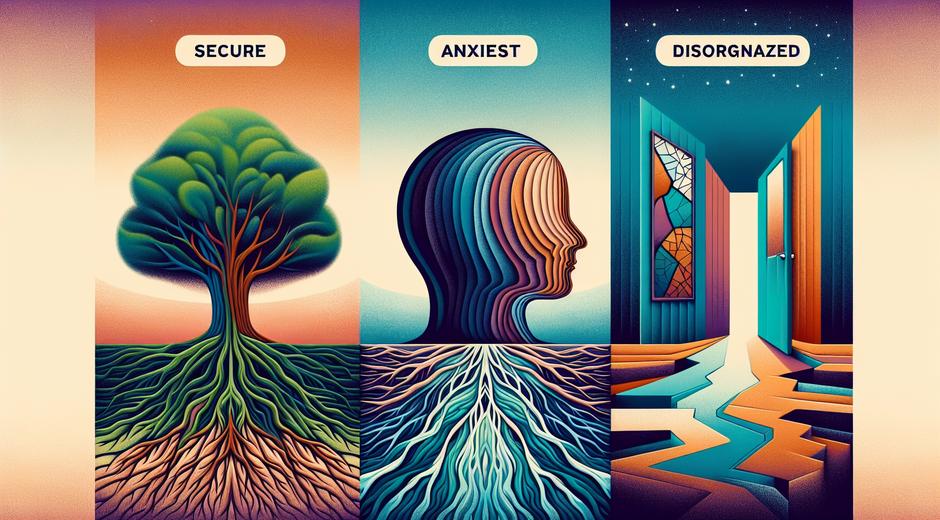
People with a secure attachment style feel comfortable with closeness and independence. They trust their partners communicate needs clearly and manage conflict with empathy. Secure individuals tend to have higher emotional awareness and feel confident in their worth which supports stable long lasting relationships.
How to support a secure attachment style
- Cultivate open communication by sharing feelings and listening without judgment
- Maintain healthy boundaries while showing warmth and support
- Practice consistent emotional availability for your partner
- Use self care to stay emotionally grounded
Anxious Attachment Style
Anxious attachment style often shows as intense need for reassurance fear of abandonment and hypervigilance about the relationship. People with this style may worry that their partner will leave or not care enough. These worries can lead to behaviors that push partners away even when the concern is about losing closeness.
Tips for managing anxious attachment style
- Recognize your triggers and note when fear is driving your reactions
- Practice asking for reassurance in calm ways instead of testing the relationship
- Build safety through consistent routines and clear plans with your partner
- Develop self calming skills like breathing practices mindfulness or journaling
If anxious patterns are strong consider reading trusted guides on relationship skills and emotional health at romantichs.com where you can find practical tips for communication and self regulation.
Avoidant Attachment Style
People with avoidant attachment style tend to value independence and may pull away when relationships become emotionally intense. They often downplay the importance of closeness and may suppress feelings to maintain autonomy. This can lead to a cycle where distance increases and partners feel rejected which fuels more withdrawal.
How to work with avoidant patterns
- Practice small acts of vulnerability to build comfort with closeness
- Set slow steady steps toward deeper sharing so it does not feel overwhelming
- Work on identifying underlying fears such as losing autonomy or being overwhelmed
- Balance alone time with purposeful connection to show your partner you care
Disorganized Attachment Style
Disorganized attachment style combines elements of anxious and avoidant styles and often comes from early experiences of fear or inconsistency. People with this style may behave unpredictably seeking closeness then shutting down. Healing this pattern can be complex but is possible with the right support.
Strategies to heal disorganized attachment style
- Seek a safe therapeutic relationship where you can explore early experiences
- Create clear predictable routines in your relationships to reduce uncertainty
- Practice grounding techniques to manage intense emotions when they arise
- Learn to name emotions and communicate them in small manageable steps
How Attachment Styles Affect Relationship Dynamics
Attachment styles are like lenses through which we view intimacy. For example an anxious person may interpret a partner leaving for work as a sign of rejection while a partner with avoidant style may see the same action as normal independence. These differences can cause misunderstandings and escalate conflict if left unaddressed.
Understanding attachment styles improves empathy. When you know your partner tends to seek reassurance you can respond with patience. When you know you tend to withdraw you can alert your partner that you need space but still plan a reconnection time. That kind of mutual awareness helps partners craft new habits that feel safer and more loving.
Practical Tools to Shift Attachment Patterns
Attachment styles are not fixed labels. Many people can move toward a more secure style with consistent practice and support. Below are practical steps to help make that shift in everyday life.
- Increase emotional awareness by tracking feelings and what triggers them
- Practice communication frameworks like expressing observations feelings needs and requests
- Set clear and predictable routines for check ins and quality time with your partner
- Work on self compassion to reduce harsh self talk that fuels insecurity
- Consider therapy to explore deeper patterns and get tools tailored to your needs
Physical health supports emotional work. Good sleep regular movement and nutrition help you regulate stress and respond to relationship challenges with clarity. For trusted services that support overall well being explore resources from BodyWellnessGroup.com which offers holistic tools that complement emotional growth.
How to Talk With Your Partner About Attachment Styles
Talking with a partner about attachment styles can be an important step toward mutual growth. Use gentle language focus on your inner experience and avoid blaming. Here are steps to guide the conversation.
- Start with how you feel and provide examples rather than making general statements
- Explore together how each of you reacts under stress and what helps soothe those reactions
- Make plans for safe responses such as a pause signal or a scheduled time to reconnect
- Agree on small experiments to try for a few weeks and then review what worked
When to Seek Professional Help
Attachment work can be deeply personal and sometimes requires more structured support. Consider a therapist if patterns cause persistent pain if there is trauma in your history or if you find it hard to maintain healthy relationships despite sincere effort. A trained therapist can offer strategies to build secure attachment habits and address underlying wounds.
Common Myths About Attachment Styles
There are myths that attachment styles are permanent or that they label you as flawed. In reality attachment styles are patterns that can change over time. With awareness practice and support most people can move toward more secure ways of relating. Another myth is that one style is good and the rest are bad. Each style developed as a coping response and carries strengths and challenges.
Conclusion
Attachment styles shape how we love how we argue and how we heal. Knowing your style helps you make conscious choices build more secure relationships and respond to stress in healthier ways. Start by identifying your patterns practicing small shifts and seeking support when needed. For ongoing tips about relationships emotional health and daily practices visit romantichs.com and consider holistic resources like BodyWellnessGroup.com to support your journey toward greater balance and connection.