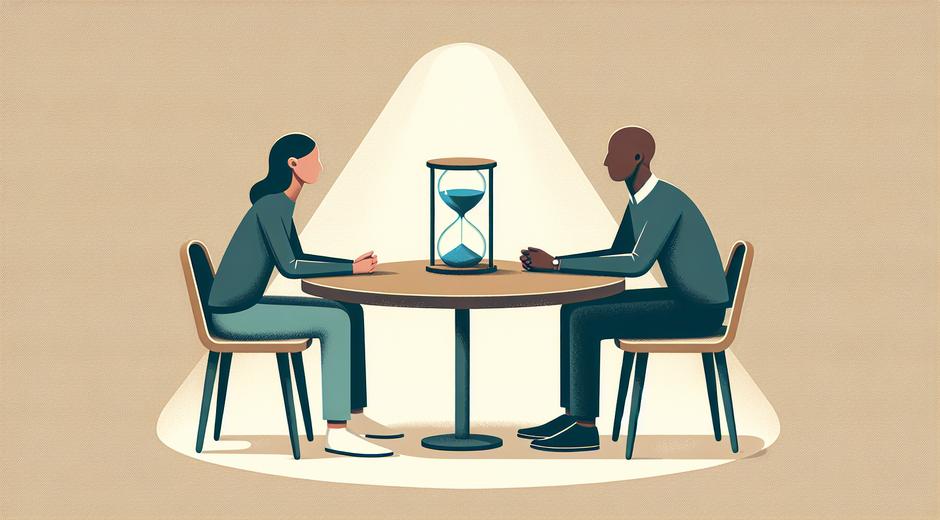


Emotional Transparency: The Key to Honest Connections and Lasting Trust
Emotional Transparency is a powerful skill that transforms the way people relate to each other. Whether you want better communication with a partner or deeper understanding at work, embracing emotional transparency helps you share your inner world in a way that invites trust and genuine closeness. In this article we explore what emotional transparency means why it matters and how to practice it daily so it becomes a natural part of your interactions.
What Emotional Transparency Really Means
At its core emotional transparency means being clear about your feelings and needs without hiding behind a mask or pretending that everything is fine when it is not. It does not mean oversharing or placing heavy emotional burdens on others. It means naming emotions being honest about wants and fears and doing so with respect for the other person. When someone practices emotional transparency they communicate feelings like joy worry gratitude or disappointment in a calm direct and responsible way.
Why Emotional Transparency Matters
Emotional transparency is vital for building trust. When people express feelings openly it reduces guess work and avoids resentment that grows in silence. Clear expression helps prevent misunderstandings and cuts down on conflict that stems from unmet expectations. For romantic relationships emotional transparency often signals safety and reliability. For teams at work it builds collaboration and creates an environment where creative ideas can be shared without fear of judgment.
Common Misconceptions About Emotional Transparency
Many people fear that being transparent means being weak. In truth emotional transparency requires courage and emotional intelligence. It is also not the same as venting endlessly. Transparency is balanced with boundaries and timing. Another misconception is that emotional transparency always produces immediate harmony. Sometimes being open triggers tough conversations. That is part of growth. When both parties commit to honest exchange the result tends to be stronger bonds and clearer solutions in the long term.
Benefits You Can Expect
Practicing emotional transparency brings many benefits. It increases mutual trust reduces anxiety and deepens intimacy. You will notice fewer silent resentments and more effective problem solving. Emotional transparency improves empathy because when one person models honesty others feel safe to follow. Over time relationships become more resilient because upsets are addressed early and respectfully.
How to Practice Emotional Transparency Step by Step
Start small and build the habit. Here is a practical path that is easy to follow and easy to adapt.
First notice your feelings. Pause and label what you are experiencing. Is it frustration insecurity joy or relief? Naming emotions helps you move from reactivity to clarity.
Second choose the right moment. Emotional transparency is most effective when the moment allows for listening. Ask if it is a good time to share. Simple permission increases receptivity and reduces defensiveness.
Third use I statements. Say I feel rather than you did this. I statements keep the focus on your experience and lower the chance the other person will feel attacked. For example I feel hurt when plans change without notice rather than You always cancel plans.
Fourth be specific about needs. After naming your feeling say what you need. That can be reassurance clarity or a plan to avoid a repeat. Specific requests are more likely to get a helpful response than vague complaints.
Fifth practice active listening. Emotional transparency is a two way street. After you share invite the other person to respond and listen without planning your rebuttal. Reflect back what you hear to confirm understanding.
Practical Examples You Can Use Today
Here are simple scripts you can adapt to your situation. They are concise clear and respectful.
When feeling overlooked say I notice I have been feeling unseen lately and I would like more time together. Can we plan one evening this week just for us?
When anxious about changes say I am feeling uneasy about the new plan and I would appreciate some detail about what will change and when.
When you are grateful say I felt so happy when you did that today. I wanted to tell you that it meant a lot to me.
Barriers to Emotional Transparency and How to Overcome Them
Fear of judgment is the most common barrier. To overcome it start in safe spaces with people who have shown care before. Practice with friends trusted family or a therapist.
Another barrier is a past where honesty led to harm. If this is true choose small low risk disclosures to rebuild confidence. Notice the outcomes and adjust accordingly.
Some people confuse transparency with needing others to fix their feelings. Emotional transparency is about sharing not unloading. Be mindful of your intent and look for mutual exchange rather than offloading responsibility.
Emotional Transparency at Work
Workplaces benefit when leaders model emotional transparency. When emotions are named calmly teams can address stress and find realistic solutions. Use professional language keep focus on tasks and outcomes and be clear about how feelings affect performance. This approach helps teams plan better manage workload and support each other in practical ways.
How to Teach Emotional Transparency to Children
Teaching emotional transparency to children builds lifelong emotional intelligence. Model clear descriptions of feelings and ask them to name theirs. Use games or stories to practice. Praise attempts at honest expression and coach them on using words for feelings and needs. Over time children learn to ask for what they need and to respond to others with empathy.
Resources and Further Reading
Developing emotional transparency is a process. There are many books and courses that can support practice and growth. For accessible daily tips and relationship ideas you can visit romantichs.com where practical guidance is offered for building stronger connections. For deeper reading on emotional expression and taste in relationships you may find inspiration at TasteFlavorBook.com which offers thoughtful perspectives on how emotion flavor and connection intersect.
Common Mistakes to Avoid
Avoid timing that catches someone off guard like in the middle of a high stress moment or while multitasking. Avoid vague complaints without suggested solutions. And avoid combining transparency with ultimatums. The goal is honest exchange not coercion.
Final Thoughts
Emotional transparency is a practical skill that rewards consistent attention. It creates clarity reduces anxiety and allows relationships to grow in trust and depth. Start small notice your feelings practice clear I statements and invite listening. Over time you will notice conversations feel more real and relationships more satisfying. Emotional transparency is not a one time act. It is a habit that changes how you live and how others experience you.
Begin today by naming one feeling and sharing it with someone you trust. Small steps lead to lasting change and deeper connections.