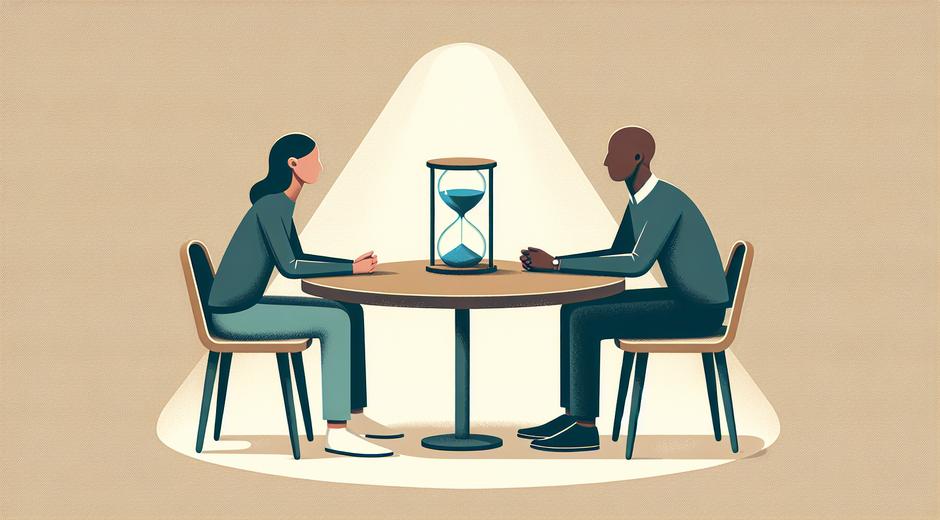


Relationship Awareness: How to See, Understand and Improve Your Bonds
What Relationship Awareness Really Means
Relationship Awareness is the skill to notice what is happening inside your partnership and around it. It is more than being mindful of feelings. It is a practiced capacity to see patterns, to recognize triggers and to name needs before they become arguments. People with strong Relationship Awareness know when to lean in for a deep talk and when to give space. They are able to reflect on their own role in difficulties and to respond in ways that invite connection rather than push it away.
Developing Relationship Awareness also means learning to observe non verbal cues and to listen for content and emotion. It is a blend of emotional insight and practical habit. When you increase your awareness you increase your power to make choices that support closeness and long term harmony.
Why Relationship Awareness Matters
High Relationship Awareness reduces conflict and builds trust. When partners are tuned into one another they solve problems faster and feel safer sharing ideas and fears. Awareness turns reactive cycles into opportunities for growth. Instead of blaming, partners can ask curious questions. Instead of withdrawing, they can ask for what they need.
From a practical perspective Relationship Awareness improves communication quality at work at home and in social life. It supports better parenting decisions and healthier boundaries. The ability to notice early warning signs prevents small frustrations from turning into resentment.
Five Core Areas to Practice Relationship Awareness
- Self Observation Learn to notice your inner state. Are you tired sad hungry anxious or defensive? Naming the emotion reduces its intensity and gives you the chance to express it calmly.
- Active Listening Focus on hearing both content and feeling. Reflect back what you heard in simple language. This shows respect and invites safety.
- Trigger Mapping Identify recurring situations that lead to conflict. Note the specific words tones and actions that escalate tension so you can plan a different response next time.
- Need Clarity Practice naming what you want in a moment. Needs such as support appreciation space or help with an errand are easier to meet when they are stated clearly.
- Repair Rituals Create small consistent ways to restore connection after a quarrel. A brief check in a fixed time of day can prevent pile up of negative emotion.
Practical Steps to Build Relationship Awareness
Start small and be consistent. Habits are built through repetition more than inspiration. Try these steps for daily practice.
1 Observe daily. Spend five minutes at the end of each day recalling interactions that felt good and those that felt tense. Ask yourself what you did and what your partner did.
2 Use a single clarifying question. When tension rises ask one simple question like What are you feeling now? or What would help you here? Avoid launching into a lecture. Curiosity calms systems.
3 Schedule a weekly check in. Set a short time to share one thing that worked and one thing that felt hard. The structure signals that both partners are committed to growth.
4 Practice breathing before reacting. A few slow deep breaths give your brain space to choose a response rather than simply react on impulse.
5 Keep a shared list of needs and agreements. Use the list to remind each other of promises made and to negotiate adjustments when life changes.
These actions create a visible scaffolding that supports ongoing awareness and reduces the chance that stress will erode connection.
Communication Tools to Increase Awareness
Language matters. Use phrases that reduce defensiveness and increase clarity. Examples include I am feeling overwhelmed right now and I need a break for ten minutes or When I hear that I feel dismissed can we slow down and talk about it later. Notice how these statements center experience and invite collaboration rather than blame.
Reflective listening is a powerful tool. When your partner speaks pause and summarize their words before offering your view. This simple habit shifts many interactions from debate to dialogue.
Another useful tool is time out with a plan. If emotions spill over agree on a signal to pause the conversation. Each partner then takes a set time to calm down and returns at a pre agreed moment to continue. This keeps conflict from growing out of control while honoring the need for resolution.
How to Use Relationship Awareness in Everyday Life
Everyday moments are the real test of any skill. Relationship Awareness is not reserved for crisis. Use it in small routine tasks to deepen connection. Share moments of appreciation for specific actions. Thanking a partner for a kind gesture reinforces positive patterns.
Turn chores into collaboration. Instead of assigning blame about a task use an offer request format. For example I can fold laundry now would you hang shirts please? This reduces hidden resentment and builds teamwork.
When making plans check in with feelings and logistics. A simple question like How does that idea feel for you this week? opens the door to real negotiation rather than passive acceptance.
When to Seek Help and How to Get Support
Sometimes patterns are persistent and painful. If arguments repeat with the same harmful themes or if one partner withdraws emotionally it can help to seek external support. A skilled coach or therapist can provide tools and a safe space for both partners to explore underlying pain and attachment patterns.
If you want resources about emotional health and relationship support consider checking trusted wellness partners such as BodyWellnessGroup.com for guidance on integrating emotional practices into daily routines. For ongoing tips and articles on relationships and connection visit romantichs.com where you will find ideas for communication rituals journal prompts and ways to keep curiosity alive.
Measuring Progress in Relationship Awareness
Track small wins. Measure changes in the quality of conversations frequency of repair moments and how quickly conflicts resolve. Journaling brief notes after check ins helps to see patterns over time. Celebrate improvements even when they are modest. Growth is often incremental and steady gains compound.
Ask the simple question Are we closer now than we were three months ago? Even subtle shifts in trust and ease are signs of progress.
Common Pitfalls and How to Avoid Them
A few traps slow down Relationship Awareness work. Expecting perfection leads to discouragement. Awareness is not a cure for all problems and partners will still have hard days. Avoid using awareness as a tool for control. It is meant to invite mutual care rather than to manipulate.
Another pitfall is over analysis. Constantly dissecting every interaction can create fatigue. Balance reflective practice with play and shared positive experiences.
Finally do not ignore safety. Awareness does not replace the need for boundaries when behavior is abusive. If you are in a harmful situation prioritize safety and seek support from trained professionals.
Conclusion
Relationship Awareness is a practical skill set that anyone can build. With steady practice you will learn to notice your own experience your partner body language and the ways small choices shape long term connection. Use simple habits like daily reflection active listening and repair rituals to strengthen bonds. When you bring curiosity to your interactions you invite a relationship that grows resilient over time.
Start today with one small practice. Notice one emotion name it and share it in a calm short way. That single step will begin to shift patterns toward more intimacy clarity and kindness.