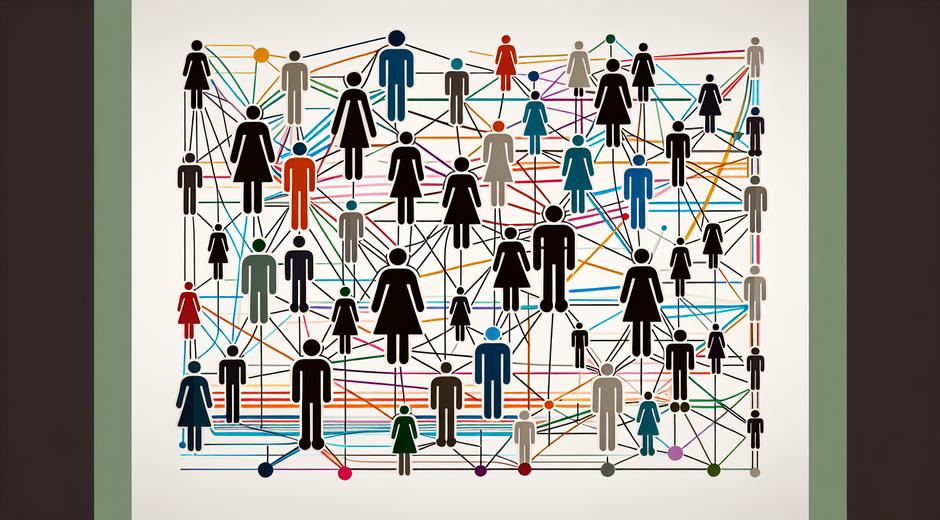


Relationship Patterns: How to Recognize and Change Unhealthy Cycles
Understanding relationship patterns is essential for anyone who wants more rewarding connections with partners family members or close friends. A pattern is a repeated way of thinking feeling and acting that shapes how you enter and navigate relationships. Recognizing these patterns allows you to choose different responses and create healthier dynamics. This article explores common relationship patterns why they form and practical steps to change the ones that no longer serve you.
Recognizing Common Relationship Patterns
Relationship patterns often show up as cycles that repeat across different partners or over time in the same relationship. Common patterns include pursuing and then withdrawing when intimacy grows avoiding conflict by shutting down seeking constant reassurance or repeating past mistakes from childhood. If you identify a pattern you are more likely to interrupt it and make conscious choices.
One useful way to spot a pattern is to notice triggers. A trigger can be a phrase an action or a situation that reliably leads to a familiar emotional reaction. For example if you feel intense anxiety when your partner spends time with friends you may notice a pattern of jealousy followed by controlling behavior. Another example is getting very close then pulling away which can indicate fear of intimacy.
It helps to keep a relationship journal to record moments that feel intense upset or repetitive. Note what happened how you felt and how you responded. Over time recurring themes will appear. If you prefer guided resources you can find many relationship tips and tools on romantichs.com to help you map your own patterns and practice healthier alternatives.
Why Patterns Repeat
Patterns repeat because the brain favors predictability. Neural pathways strengthen with repeated use making certain responses automatic. Early life experiences and family dynamics teach templates for relating that can persist into adulthood. For instance children who learned to avoid conflict to keep peace may become adults who tolerate poor treatment instead of asserting needs.
Emotional conditioning also plays a role. If a partner once reassured you when you felt insecure you may unconsciously seek similar reassurance later even if it is unhealthy. Attachment styles developed in childhood influence how you approach closeness. Secure attachment tends to produce stable relationships while anxious and avoidant styles can create cycles of pursuit and withdrawal.
Finally societal expectations and cultural narratives influence relationship patterns. Media portrayals of romance can normalize drama and miscommunication. Recognizing these external forces helps you separate what is healthy for you from what is merely familiar.
How to Map Your Personal Pattern
Mapping your pattern is a practical first step toward change. Start by identifying three relationship themes that have appeared across different partnerships or over time in one long relationship. These themes might include frequent arguments about the same topics lack of emotional availability or repeating infidelity.
Next trace the sequence. What usually happens first? What thoughts and feelings arise? What behaviors follow? This sequence is the loop you can interrupt. For example you may notice that feeling ignored leads to a critical response which then leads your partner to withdraw. Seeing the loop gives you a place to intervene.
Invite honest feedback from trusted friends or a therapist. Outside perspectives help reveal blind spots. Some people find mapping with a therapist or coach accelerates insight because a skilled guide can point out nuances and suggest experiments to test alternative responses.
Strategies to Change Unhealthy Relationship Patterns
Changing a pattern takes intention practice and patience. Below are effective strategies you can apply right away.
1 Start with awareness. Use your journal to track triggers and responses. Awareness creates space to choose a new action rather than react automatically.
2 Name the need. Often patterns arise from unspoken needs. Practice identifying and stating needs calmly and clearly. For example you might say I need reassurance when we are apart or I need time to process before I answer.
3 Pause and breathe. When you feel triggered pause take a few deep breaths and delay a reactive response. Even a brief pause reduces emotional reactivity and gives you a chance to choose a constructive action.
4 Learn new communication skills. Use I statements to express feelings without blaming. Practice active listening by reflecting back what you hear. These skills dissolve common escalation patterns.
5 Set healthy boundaries. Boundaries are a way to protect your wellbeing while maintaining respect for the relationship. Clarify what behaviors you will not accept and communicate consequences calmly.
6 Rehearse new behaviors. Role play with a safe friend or coach. Practicing in low stake settings makes it easier to use new responses when stakes are high.
7 Repair early and often. After a conflict repair attempts like a simple apology or a gesture of care rebuild trust and stop negative loops from solidifying.
8 Strengthen secure attachment. Engage in predictable loving actions create rituals of connection and prioritize emotional safety. Secure patterns grow from consistent small actions over time.
9 Address underlying trauma if present. Unresolved trauma can fuel intense patterns. Support from a trauma informed therapist helps reduce reactivity and reshape relational responses. For parents looking to reduce generational cycles of behavior resources on parenting and attachment can be useful. For practical articles and tools that connect parenting approaches to relationship health visit CoolParentingTips.com.
When to Seek Professional Support
Professional help is valuable when patterns are severe persistent or linked to past trauma. A therapist specialized in couples therapy attachment based work or cognitive behavior approaches can help you map patterns reframe beliefs and practice new skills in a safe environment. If you notice physical abuse coercion or controlling behavior seek immediate support from trusted services in your area.
Couples therapy is effective when both partners are committed to change. A skilled therapist helps each partner understand their role in the pattern and guides experiments to disrupt unhelpful loops. Individual therapy can be transformative when one partner needs to process past wounds or develop emotional regulation skills.
Sustaining Change Over Time
Changing relationship patterns is not a one time fix. It requires ongoing attention and maintenance. Cultivate rituals of connection such as weekly check ins shared activities and explicit expressions of appreciation. Celebrate small wins when you notice a different response and reflect on what helped you succeed.
Create a growth plan with specific goals for communication closeness and personal development. Revisit your plan periodically and adjust as you learn. Building new neural pathways takes time but consistent practice makes new patterns feel natural.
Conclusion
Relationship patterns shape how we love and how we get loved. The good news is patterns are learnable and changeable. By increasing awareness mapping your loop practicing new skills and seeking support when needed you can transform repetitive cycles into healthier ways of connecting. Start small track your progress and be patient with yourself. Over time intentional change leads to deeper trust greater intimacy and relationships that reflect your truest needs and values.