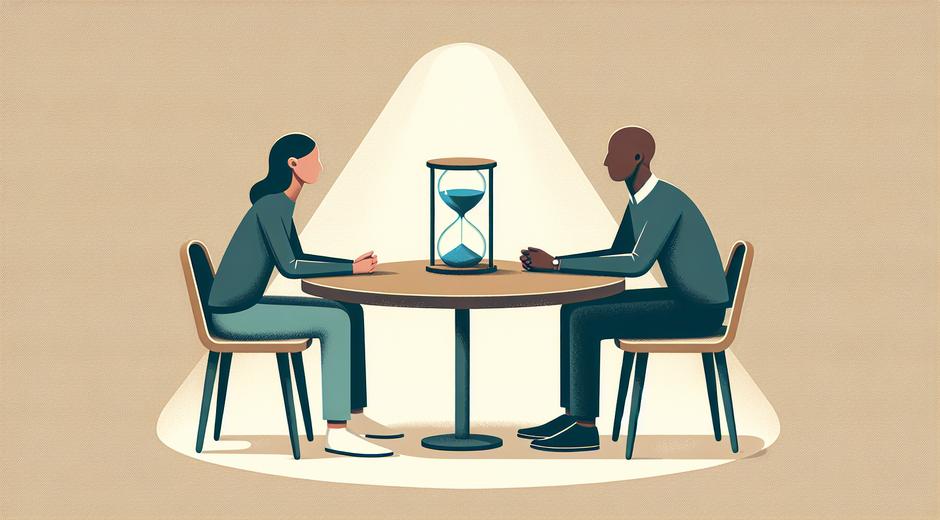


Emotional Depth
Emotional Depth is a core quality that shapes how we relate to ourselves and to others. It describes an ability to feel with clarity to reflect and to respond with compassion. People who cultivate Emotional Depth tend to experience richer relationships clearer personal purpose and greater resilience in times of stress. This article explores what Emotional Depth looks like why it matters and practical ways to grow deeper emotional capacity in everyday life.
What Emotional Depth Means
Emotional Depth means more than feeling strongly. It means naming feelings tracing their origins and allowing them to inform choices without overriding rational thought. It includes a capacity to sit with discomfort to examine patterns of reaction and to connect inner experience with outer behavior. Those with Emotional Depth are often curious about motives both their own and those of others. They are willing to probe beneath surface level responses in order to move toward greater understanding.
Why Emotional Depth Matters
Emotional Depth improves communication. When a person can identify emotions precisely they can share needs and boundaries with clarity. It strengthens intimacy because partners can exchange vulnerability without fear of misunderstanding. In the workplace Emotional Depth supports leadership that is both decisive and humane. It enhances creativity since artists and thinkers translate complex feeling into meaningful expression. For daily life Emotional Depth offers emotional safety and stability. For more practical tips on building habits around emotional growth visit romantichs.com to explore guided advice and simple routines.
Signs You Have Emotional Depth
There are simple signs that indicate Emotional Depth is present. These include the ability to name feelings with nuance the habit of reflecting before reacting a tendency to listen actively and the practice of admitting mistakes. People with Emotional Depth also tolerate contradiction. They can hold hope and doubt at the same time and still move forward. Another sign is the capacity to empathize without losing a sense of self. If you find you learn from conflict rather than avoid it you likely already possess a measure of Emotional Depth.
Barriers That Block Emotional Depth
Several factors can limit Emotional Depth. Avoidance of pain discourages introspection while constant distraction prevents sustained reflection. Cultural messages that equate softness with weakness can shut down authentic feeling. Trauma can create defensive patterns that mask inner life with humor anger or numbing. Understanding these barriers is the first step to moving through them. Therapy peer support and consistent practice help to lower their influence and open space for more honest engagement with feeling.
Daily Practices to Grow Emotional Depth
Growing Emotional Depth is accessible through daily habits. Here are practical steps that create gradual sustained change:
– Name feelings frequently Use specific terms such as anxious disappointed relieved grateful instead of general labels. Precise language allows clearer action.
– Practice mindful pauses When a strong feeling arises take three slow breaths notice bodily sensations and then choose a response rather than a reflex.
– Keep a reflection journal Write about triggers and moments of ease. Over time patterns will appear that reveal core values and unresolved needs.
– Embrace curiosity Ask questions about why you feel what you feel. Treat your inner world as a subject worthy of study.
– Share vulnerably in safe settings Start with short disclosures about minor hurts and observe how others respond. Trust is built gradually.
– Learn active listening Mirror what someone says and validate feeling before offering advice. This strengthens relational depth.
– Read literature and music that challenge you Art that that provokes feeling can expand emotional vocabulary and tolerance.
These practices do not require long sessions. Small acts repeated over time create neural pathways that support deeper emotional processing.
Using Emotional Depth in Relationships
Emotional Depth transforms relationships in predictable ways. It encourages honesty about needs and fears which reduces passive aggression and misunderstanding. Partners who practice Emotional Depth negotiate conflict by focusing on need and repair rather than blame. To cultivate this skill try the following:
– Hold curiosity about your partner even in conflict Avoid assuming motives ask for clarification.
– Validate feeling before problem solving Acknowledgment of emotion often reduces intensity and opens space for solutions.
– Practice repair sequences After a rupture offer a sincere brief apology describe your intention and invite reciprocal expression.
– Allow influence Being open to change when a partner expresses a need shows respect and deepens connection.
When both people invest in Emotional Depth the relationship evolves into a reliable source of support and mutual growth.
Emotional Depth and Personal Growth
On the individual level Emotional Depth supports lasting change. When you can track patterns you can redirect them. For example a person who recognizes that avoidance occurs when they feel inadequate can choose small steps that build confidence. Emotional Depth also makes values clearer. As feelings surface you gain data about what matters most which simplifies decision making. Finally Emotional Depth buffers against reactive choices so that long term goals are honored even when immediate emotion urges a different course.
When to Seek Professional Support
Some emotional challenges are complex and benefit from professional guidance. If strong feelings persist interfere with daily functioning or stem from trauma a trained therapist offers tools and containment. Coaching can help translate emotional insight into action plans. Group work provides both reflection and feedback from others who share similar aims. Seeking help is a sign of strength and a meaningful step toward deeper emotional life.
Simple Exercises to Try Today
Here are quick exercises to practice Emotional Depth right now:
– Three minute body scan Close your eyes and notice sensations from head to toe Describe any emotion that arises without judgment.
– The naming routine Catch a feeling name it aloud and ask where it shows up in the body. Offer yourself a gentle question like what does this need.
– The curiosity question When you feel reactive ask what story am I telling myself and is there another story that fits.
– The gratitude balance When hard feelings dominate list three small things that felt good today even if they were brief.
These short practices increase awareness and help transform automatic reactions into intentional responses.
Conclusion
Developing Emotional Depth is an ongoing journey that yields meaningful benefits in relationships personal growth and creative life. It asks for patience honesty and consistent practice. Start small with clear language mindful pauses and intentional listening. Over time your capacity to feel reflect and respond will deepen creating richer connection and greater clarity. For more ideas routines and supportive guides about emotional growth visit this recommended resource Romantichs.com and explore tools to help you build lasting emotional strength.