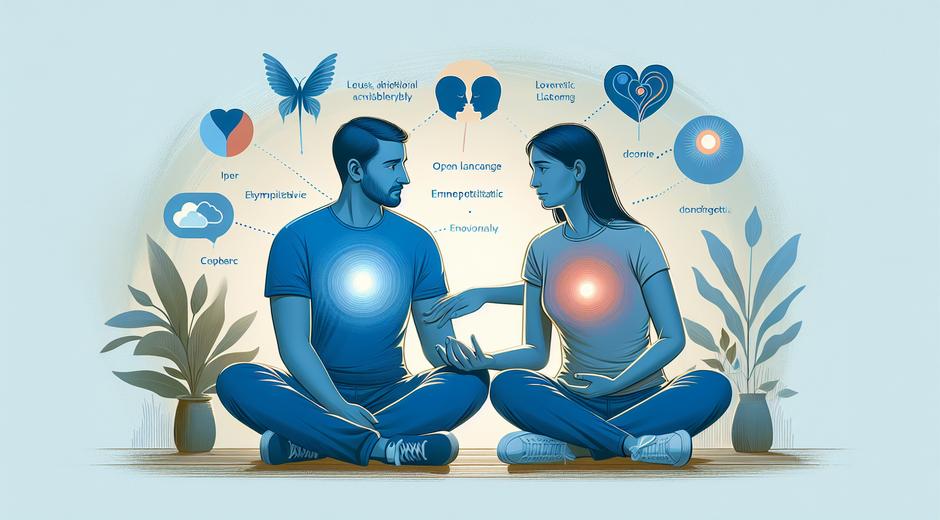


Emotional Presence Skills
Emotional Presence Skills are the abilities that allow a person to be fully available to their own feelings and to the feelings of others. These skills help people connect more deeply, communicate more clearly, and handle conflict with grace. In a world that often values speed over depth, cultivating Emotional Presence Skills can transform relationships at home, at work, and in community life. This article explains what these skills are why they matter and how you can practice them every day to become more resilient and more compassionate.
What Are Emotional Presence Skills
At the core Emotional Presence Skills mean being aware of inner experience and staying grounded while sharing that experience with others. Key elements include mindful attention to feelings, the ability to name emotions without judgment, steady breathing to reduce reactivity, and listening that communicates care and understanding. When a person practices these skills they create safe space for honest expression. That safety leads to trust and to deeper connection.
Why Emotional Presence Skills Matter
People who develop Emotional Presence Skills report better relationships more effective teamwork and stronger leadership. These skills reduce misunderstandings because they encourage clarity and curiosity rather than blame. Emotionally present adults are better equipped to guide children through hard feelings and to manage stress without shutting down. In workplaces Emotional Presence Skills support collaboration reduce burnout and foster innovation. The ripple effects are wide because emotions influence decisions behavior and health.
Core Components of Emotional Presence Skills
There are a few core components that make Emotional Presence Skills practical and teachable. First is self awareness which means noticing your feelings early before they intensify. Second is emotional vocabulary which lets you name feelings in specific terms like anxious excited frustrated or relieved. Third is regulation which includes practices such as slowing breath grounding and redirecting attention. Fourth is reflective listening where you show you heard another person and invite them to share more. Fifth is compassion which applies both inwardly and outwardly. Together these components form a toolbox you can use in daily life.
How to Practice Emotional Presence Skills Daily
Practice does not need to take long to be effective. Small consistent habits produce real change. Start with a morning check in where you spend two minutes noticing how your body feels and what emotion is most present. Use a single phrase internally such as I am noticing tension in my chest or I feel tired. Naming feeling grounds you and creates a pause that helps you choose your response.
During conversations use reflective listening. Instead of immediately offering advice try saying I hear that you feel overwhelmed what makes it feel that way Today this simple phrase validates another person and invites clarity. When conflict arises use breath to lower reactivity. Slow full breaths for thirty seconds can shift your state and allow you to respond rather than react.
Keep a short emotion journal each evening where you jot two moments when you were emotionally present and two moments when you were not. Over time patterns become clear and you can adjust your actions with intention. For more ideas on daily habits and relationship tips visit romantichs.com where practical guides meet real life experience.
Using Emotional Presence Skills in Intimate Relationships
Romantic partnerships benefit greatly from emotional presence. Start by creating rituals for checking in such as a five minute end of day conversation where each person shares highlights and low lights. Use I statements to speak about your experience and ask open questions to invite your partner to expand. Practice staying curious even when you disagree. Curiosity shifts the interaction from proving a point to exploring meaning together.
When feelings escalate step back and name the emotion that seems active then ask for a pause if needed. Pausing is not avoidance it is a temporary safety measure that helps both people return with more clarity. Over time these small choices build a foundation of safety that supports intimacy and mutual growth.
Applying Emotional Presence Skills at Work
At work Emotional Presence Skills support leadership and team cohesion. Leaders who model presence create cultures where people feel heard and valued. Start meetings with a quick emotional check in especially when the agenda involves sensitive topics. Encourage team members to name emotions that might influence decision making and to keep the focus on problem solving rather than personal blame.
Conflict resolution benefits from clear expression of needs and from listening for underlying concerns. Use these skills to negotiate with empathy and to create agreements that honor both practical outcomes and emotional reality. When teams practice presence productivity often increases because energy previously spent on tension can shift toward creative problem solving.
Common Pitfalls and How to Avoid Them
People trying to develop Emotional Presence Skills may fall into a few common traps. One is over analyzing feelings which can lead to rumination. Use naming and short notes rather than long internal monologues. Another trap is confusing presence with agreement. Being present does not mean you must accept harmful behavior. Presence gives you clarity to set boundaries with kindness. A third trap is perfectionism where people expect immediate mastery. Emotional Presence Skills grow with consistent practice and gentle persistence.
Tools and Techniques That Help
There are practical tools that accelerate growth. Mindful breathing exercises grounding scans and brief body awareness practices help regulation. Role play with a trusted friend can improve reflective listening. Workshops and guided programs provide structure for deeper learning. For beauty tips and wellness practices that support emotional balance explore resources at BeautyUpNest.com which offers self care ideas that complement emotional practice.
Measuring Progress
Progress in Emotional Presence Skills shows up in relationships and in personal wellbeing. Look for signs such as fewer arguments that escalate more honest conversations increased trust and better sleep. Personal markers include being able to pause before reacting clearer sense of values and more consistent emotional recovery after stress. Keep tracking progress in a simple journal and celebrate small wins to keep motivation strong.
Next Steps to Build Your Skills
Start small choose one practice for the next two weeks. It could be a two minute morning check in a thirty second breathing routine before tense conversations or a nightly reflection on emotional moments. Invite a partner or friend to try the practice with you and compare notes weekly. Over time layer in additional practices and explore structured classes if you want deeper guidance. Emotional Presence Skills are learnable and they pay dividends in better connections stronger leadership and a calmer inner life.
Emotional Presence Skills are not a quick fix but they are a powerful path to more meaningful relationships and to better personal wellbeing. With regular practice you can become more resilient more compassionate and more effective in every area of life. Start today with one small habit and notice how presence transforms the quality of your days.