

Healthy Attachment Cues That Strengthen Bonds and Support Growth
Healthy Attachment Cues are subtle signals people give to show safety trust and emotional availability. Understanding these cues helps partners parents and friends respond in ways that deepen connection reduce confusion and promote secure bonds. In this article you will learn what healthy attachment cues look like why they matter common examples and practical ways to respond so that relationships become more resilient and fulfilling.
What Are Healthy Attachment Cues
Healthy Attachment Cues are behaviors and signals that indicate a person feels safe enough to seek support set boundaries or show affection. These cues can be verbal or non verbal and they guide caring others on how to respond. When a person offers healthy attachment cues they implicitly invite closeness while also communicating trust in the other person to meet their needs.
The concept is important across many types of relationships from romantic couples to parent child bonds and friendships. Recognizing these cues reduces misunderstandings and supports emotional regulation. For readers who want additional relationship tips and tools visit romantichs.com for more resources and guidance.
Why Healthy Attachment Cues Matter
Attachment shapes how people relate to others across their life. Healthy Attachment Cues play a role in creating a sense of security which supports exploration resilience and cooperation. When cues are clear people feel validated and are more likely to share needs and to offer help when it is needed.
Research shows that secure attachment links to better emotional health stronger communication and greater relationship satisfaction. Even small consistent cues of safety and responsiveness can shift the balance in a relationship from reactive and defensive to calm and supportive. That makes learning to notice and use these cues an efficient strategy for improving connection.
Common Verbal Healthy Attachment Cues
Verbal cues are explicit ways to share inner experience and to ask for what one needs. Examples include:
– Calm statements of need like I would like to feel close right now or I am feeling overwhelmed and could use some company
– Clear boundaries like I can handle this part but I need help with other parts
– Expressions of appreciation such as Thank you for listening that helps me feel seen
– Open invitations for collaboration such as Can we figure this out together
These verbal cues reduce guessing and show trust because they rely on the other person to respond with care. They also model healthy communication which makes future moments easier.
Common Non Verbal Healthy Attachment Cues
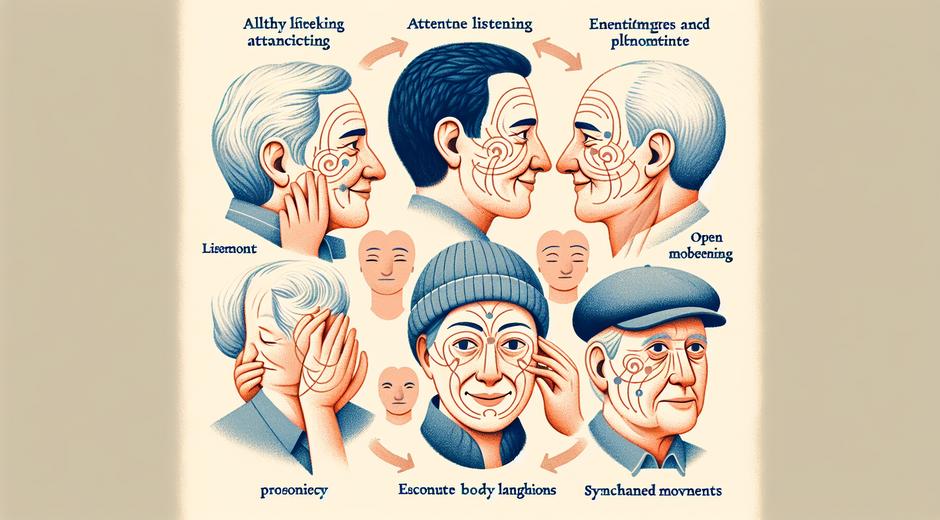
Non verbal cues are often faster and can signal safety before words arrive. Key examples include:
– Soft eye contact that invites connection without pressure
– Relaxed facial expressions and open body posture which convey approachability
– Gentle touch on the arm or back that reassures without overwhelming
– Regulated breathing that signals calm presence
– Proximity choices such as opting to sit near someone when support is wanted
Non verbal cues matter because they often communicate emotional tone. Practicing awareness of these signals can help you notice when someone is seeking comfort even if they do not say so in words.
How to Respond to Healthy Attachment Cues
Responding effectively to attachment cues strengthens trust. Follow these simple steps:
– Notice Engage your attention and remove distractions so the person feels prioritized
– Reflect offer a brief summary of what you heard for example You seem anxious about the meeting is that right
– Validate acknowledge their feelings with statements like It makes sense you would feel that way
– Offer concrete support propose a specific offer such as I can sit with you for a few minutes or I can help draft a message
– Check in Ask if your response helps and if they would prefer something different
These steps create a loop of mutual regulation where both people feel seen and supported. Over time this pattern encourages more honesty and less reactivity.
Practical Exercises to Build Healthy Attachment Cues
Practice helps make these behaviors natural. Try these exercises alone or with a partner:
– Daily check in Spend five minutes each day sharing one high and one low while the other listens without interruption
– Mirror exercise Repeat back what the other person said in your own words to confirm you understood
– Soothing ritual Create a brief ritual to calm before important conversations such as taking three deep breaths together
– Gratitude habit Share one specific thing you appreciated about the other person each evening
These routines strengthen the habit of sending and receiving healthy cues and make emotional safety part of daily life.
Healthy Attachment Cues in Parenting
For parents noticing and responding to cues lays the groundwork for secure development. Key practices include:
– Prompt sensitivity Notice signs of distress and respond quickly with comfort and presence
– Gentle limit setting Combine warmth with clear consistent limits so children feel both safe and guided
– Emotion coaching Label feelings for children and help them cope with words and calm presence
– Playful engagement Use play to create connection and to repair small ruptures
Children who experience consistent responsiveness are more likely to grow into adults who can express needs and form healthy bonds.
How to Cultivate Healthy Cues as an Adult
Adults can learn new patterns with intention. Start with these steps:
– Increase self awareness Notice your own typical cues and triggers so you can choose mindful responses
– Practice being vulnerable in low stake moments to build trust incrementally
– Learn regulation tools such as breathing grounding and short movement breaks to avoid shutting down or lashing out
– Seek feedback from safe others about how you express needs and adjust based on what helps connection
Developing healthy attachment skills takes time and practice but the payoff is stronger more satisfying relationships.
When to Seek Professional Help
Sometimes attachment patterns are linked to past trauma or deeper anxiety that benefits from professional support. Consider seeking help if you notice:
– Persistent fear of closeness or constant worry about being abandoned
– Regular difficulty calming down after conflicts or recurrent intense fights
– Patterns that repeat across relationships in ways that cause ongoing hurt
– Any sign of distress that limits daily functioning
A trained therapist can help identify patterns build new skills and support repair work. If technology based tools or apps are part of your plan you may find curated resources at Techtazz.com which include options for guided practices and tracking tools.
Measuring Progress With Healthy Attachment Cues
Progress can be subtle but measurable. Look for changes like:
– Easier emotional conversations with less escalation
– More frequent moments of mutual support when stress arises
– Greater ability to ask for help and to offer help without resentment
– Increased trust and intimacy over time
Keep a journal of small wins and reflections to maintain momentum and to notice patterns that may need attention.
Conclusion
Healthy Attachment Cues are a powerful set of signals that promote trust emotional safety and lasting connection. By learning to notice and respond to these cues you can improve communication reduce conflict and foster deeper bonds in romantic relationships family ties and friendships. Start small with daily check ins reflective listening and calm supportive presence. Over time these practices transform how you relate making relationships a source of strength and growth.
For ongoing tips tools and guides to build stronger relationships visit the resource hub at romantichs.com and explore practical articles that support healthier attachment and deeper connection.