

Jealousy Triggers
Jealousy triggers are part of many close relationships. They can appear quietly at first and then grow into patterns that harm trust and intimacy. Understanding what sets off jealousy helps you respond with intention instead of reacting with harsh words or controlling behavior. This article outlines common jealousy triggers and offers practical steps to reduce their power so you can build stronger and more secure bonds.
What Are Jealousy Triggers
Jealousy triggers are situations thoughts or behaviors that spark feelings of envy fear or insecurity. They can be external events such as a partner spending time with someone else or internal beliefs such as not feeling worthy of love. Knowing both types helps you spot patterns early and choose healthier responses. Many people mistake jealousy for proof of deep love but it often signals unmet needs or unresolved fear.
Common External Triggers
External triggers are events outside your control. Examples include frequent social media contact with an ex a new coworker who flirts or a partner who suddenly has less time available. Technology creates more opportunities for misreading intentions. Seeing selective snapshots of someone else life can make your mind assume the worst even when no threat exists. If these situations repeat they can become a constant source of stress in a relationship.
Common Internal Triggers
Internal triggers come from past experiences beliefs and unmet emotional needs. Childhood insecurity past betrayals and low self regard are potent sources of jealousy triggers. When you carry old wounds they color present moments and make neutral events feel threatening. For example if you grew up with unstable attachments you might interpret a partner needing space as rejection instead of a healthy boundary.
How Attachment Style Shapes Jealousy Triggers
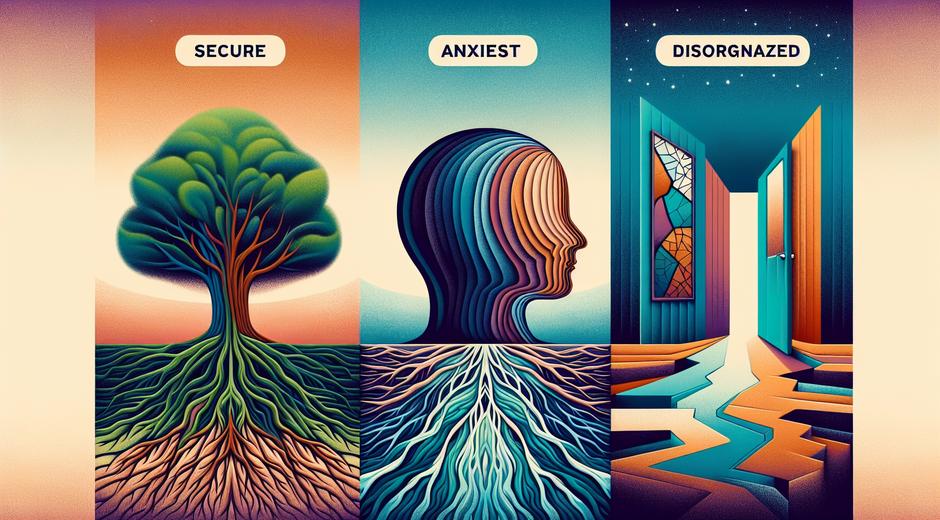
Understanding your attachment style gives clarity about why certain situations feel threatening. People with an anxious attachment style tend to be hyper aware of signs of distance while those with an avoidant style may minimize the issue and pull away. Identifying your pattern is not about blame. It is about learning how to meet your needs in ways that build trust rather than escalate fear.
Small Steps to Reduce Jealousy Triggers
Start with self awareness. Keep a short journal for two weeks and note moments when jealousy appears. Record the event your immediate thought and how you reacted. This simple practice reveals patterns you may not notice in the heat of the moment. When you spot frequent triggers you can design focused strategies to address them.
Communication matters. Use calm clear language to describe what you feel and why. Avoid accusations and stick to observations and needs. For example say I felt uneasy when you texted late because I need reassurance rather than You always ignore me. This approach reduces defensiveness and invites cooperation.
Building Emotional Safety
Emotional safety is the foundation that makes jealousy triggers less potent. Create rituals that increase predictability and connectedness. Regular check ins after busy days brief moments of gratitude and transparent plans for social events reduce uncertainty. Over time these small habits add up and make your relationship more resilient to triggers.
Healthy Coping Tools
Learn grounding techniques for moments when jealousy flares. Deep breathing counting senses and taking a short walk help you move from reactivity to reflection. Use positive self talk to remind yourself of evidence that supports your worth and the health of your relationship. Over time these tools lessen the intensity of triggers and give you space to choose a constructive response.
When to Seek Outside Support
If jealousy triggers lead to repeated arguments or controlling actions professional help can make a big difference. A skilled therapist teaches skills to process old wounds communicate more effectively and rebuild trust. Couples work can be especially helpful when both partners want to change patterns and create shared strategies for preventing triggers from escalating.
Turning Triggers into Growth Opportunities
Jealousy triggers can feel painful yet they also reveal what matters most to you. Use them as a guide to address unmet needs and strengthen intimacy. For example a trigger about one partner spending time with friends can become an opportunity to negotiate how to balance social life and couple time in ways that respect both needs. When handled with curiosity jealousy can transform into greater connection.
Practical Exercises to Try Tonight
Try a simple two part exercise to create understanding. First each partner lists the three situations that most commonly spark jealousy. Keep the list factual and avoid judgment. Second share the lists and take turns asking one question each about an item you do not understand. This approach builds empathy and creates a plan to reduce avoidable triggers.
For more general tips about relationship care and personal growth visit romantichs.com where you will find practical guides and exercises to support healthier connection.
Tools and Resources to Stay Grounded
Technology can help with reminders for self care and brief mindfulness practices when jealousy strikes. If you want guided audio sessions and quick exercises for emotional balance consider checking out trusted platforms that curate short tools for daily practice. One helpful option is Museatime.com which offers bite sized guides to calm your nervous system and improve focus on what matters.
Final Thoughts on Jealousy Triggers
Jealousy triggers do not mean failure. They are signals pointing to vulnerabilities and to growth opportunities. By learning to name triggers track patterns and practice clear communication you convert painful moments into pathways for deeper trust. Use small consistent steps build emotional safety and ask for support when needed. With effort jealousy becomes a shared challenge you and your partner can handle together rather than a force that isolates you both.
Remember that change is gradual. Celebrate small wins and be patient with setbacks. Each time you respond differently to a trigger you strengthen new neural pathways that support security and compassion. Over time you will notice fewer intense reactions and a stronger sense of belonging in your relationships.