

Openness: The Essential Guide to Growing a More Open Mind
Openness is a core trait that shapes how we see the world and how we connect with others. In psychology openness often refers to a willingness to consider new ideas, to be curious about different perspectives, and to embrace change. On a practical level openness helps people solve problems, build stronger relationships, and find creative solutions in daily life. This guide explains why openness matters, how to cultivate it, and how to apply it in relationships work and personal growth.
What Openness Really Means
At its heart openness is about curiosity and flexibility. Someone who practices openness is ready to listen without judgment, to test new approaches, and to say I do not know when that is the honest truth. Openness is not about lacking boundaries or abandoning values. Instead it is a mindset that balances being receptive with being thoughtful. It allows people to update beliefs based on evidence and experience. That quality makes openness a powerful ally when you want to grow or to navigate complex situations.
Why Openness Is Important for Personal Growth
Openness fuels learning. When you approach life with an open mind you are more likely to seek new experiences and to reflect on what works and what does not. This leads to continuous improvement and higher resilience. Open people adapt to change more easily because they do not cling to a single narrative. They can revise plans and invent new paths. Openness also supports creativity because fresh ideas arise when the mind is willing to combine unexpected elements.
Openness in Relationships
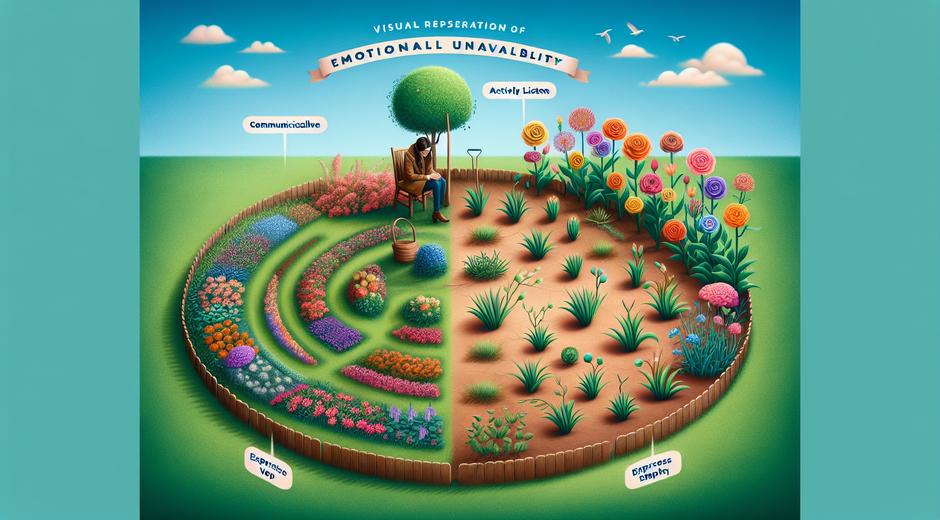
Relationships thrive when both people practice openness. That means sharing thoughts and feelings in a way that invites understanding rather than blame. It also means listening actively and testing assumptions about the other person. For example if a partner seems distant an open response is to ask a curious question and notice the answer instead of assuming the worst. Communication shaped by openness reduces conflicts and builds trust. Couples who cultivate this trait report higher satisfaction and stronger bonds.
Openness at Work
Organizations value openness because it encourages innovation and collaboration. Teams that are open to feedback and to new methods solve problems faster. Leaders who model openness create a culture where employees feel safe to speak up and share ideas. If you want to foster openness at work start with small rituals such as short check ins that invite diverse viewpoints. Over time those practices reduce defensiveness and increase collective learning.
How to Cultivate Openness
Openness is a skill you can strengthen with intention. Here are practical steps that support growth.
- Practice active listening Pay close attention without preparing your reply in your head. Ask clarifying questions that encourage the speaker to expand.
- Seek diverse input Surround yourself with people who hold different perspectives and ask them to explain their reasoning. Exposure to new viewpoints expands your mental models.
- Experiment often Treat ideas as experiments. Test them in small ways and look for outcomes instead of insisting on being right.
- Reflect daily Spend a few minutes each evening noting what you learned and what surprised you. Reflection strengthens the habit of updating beliefs.
- Practice curiosity Ask more why and how questions. Curiosity opens the door to discovery and reduces the need for quick judgment.
Simple Exercises to Increase Openness
Try these short exercises to build an open mindset.
- Change one routine Alter a small pattern in your day like taking a different route to work or trying a new recipe. Novelty activates attention and opens the mind.
- Read outside your genre Choose a book or article that challenges your usual preferences and note new insights.
- Play the skeptic and the advocate For one idea list reasons it might be wrong and reasons it could be right. This balances rigid bias and blind endorsement.
- Ask for feedback Request one piece of constructive feedback from a colleague or friend and respond with gratitude and curiosity.
Barriers to Openness and How to Overcome Them
Fear is the main obstacle to openness. Fear of being wrong, fear of rejection, and fear of losing control push people toward rigid thinking. To overcome these fears acknowledge them and take small steps that feel safe. Reframe failure as data rather than a verdict on your worth. Build trust by sharing low risk vulnerabilities first. Over time the experience of being accepted after being open reduces fear.
Measuring Progress
Track your progress with simple metrics that matter to you. Count how often you try a new approach each week. Note how many times you ask a clarifying question in conversations. Record one learning insight each day. Metrics do not need to be elaborate. The goal is to create awareness so that openness becomes a visible habit instead of an abstract ideal.
Openness and Mental Health
Openness supports mental wellness by reducing rigid thinking patterns that often trap people in negative loops. When you are open you can consider alternative interpretations of events which reduces anxiety and self blame. Therapies that emphasize mindful awareness and cognitive flexibility use principles of openness to help people manage stress. If you struggle with overwhelming emotions openness can be introduced gradually with professional support.
Openness in Parenting
Raising children with an open approach cultivates curiosity and autonomy. Encourage questions and explore answers together. When a child shares a fear respond with validation and curiosity rather than immediate correction. That approach models how to engage the world with both courage and humility. Parents who are open about their own learning create a culture where children feel safe to explore and to fail.
Common Misconceptions About Openness
People sometimes confuse openness with being gullible or lacking standards. True openness includes discernment. It does not mean accepting every idea without evidence. Instead it means being willing to test ideas and to change your view when evidence points in a new direction. Another misconception is that openness requires abandoning core values. In reality openness can help clarify values by exposing them to scrutiny and by showing which ones are most important to you.
Practical Tips for Daily Practice
Make openness feel natural by embedding small rituals into your routine. Start meetings with a check in that invites diverse perspectives. Begin workouts with a new move once a week. Share one learning from your day at dinner. Use a journal to capture questions rather than rushed conclusions. Over time these small acts create a larger culture of exploration in your life.
How Openness Boosts Creativity
Creativity thrives when the mind connects distant ideas. Openness increases the range of inputs available for those connections. By embracing curiosity and tolerated uncertainty you create fertile ground for innovation. When teams are open they combine insights from different disciplines and produce breakthroughs that solitary thinkers rarely achieve. Encourage playful experimentation and reward attempts even when the result is imperfect.
Resources and Next Steps
If you are ready to make openness a central skill in your life start with one small change this week. Try a curiosity exercise for five minutes each day and note the impact after seven days. For more practical life tips and guides visit romantichs.com where you will find clear steps to help you grow. For curated content on creativity and innovation check out Zoopora.com which offers inspiring examples and tools to expand your thinking.
Conclusion
Openness is not a fixed trait reserved for a few. It is a practice that anyone can develop with attention and effort. By cultivating curiosity active listening and a willingness to revise beliefs you can reduce conflict build stronger relationships and enhance creative problem solving. Start small and stay consistent. Over time your capacity for openness will expand and become a defining strength in both your personal life and your professional work.