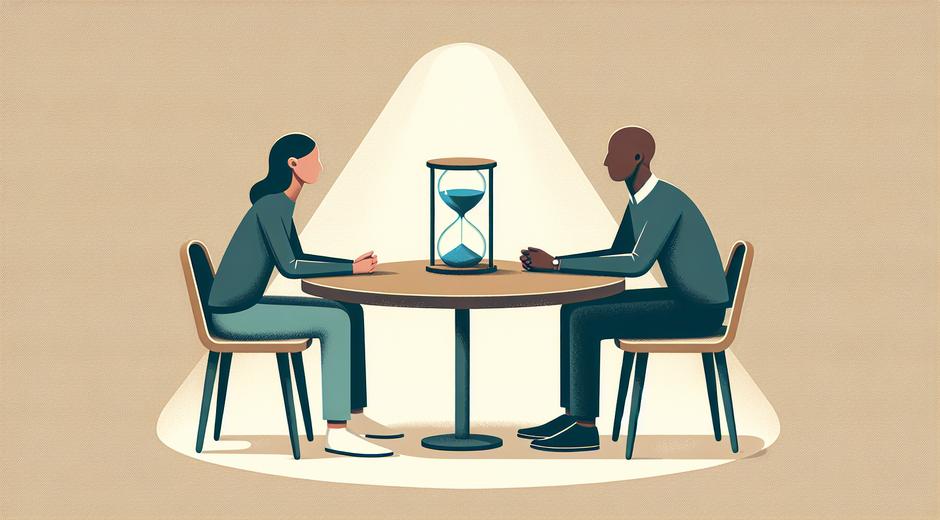


Relationship Check In: How to Keep Your Bond Strong
A relationship check in is a simple practice that can create powerful results. When couples pause to talk about feelings goals and challenges they build trust clarity and intimacy. This article explains why regular relationship check in moments matter how to run them and what to do when they reveal deeper needs. Use these tips to strengthen your connection and to turn small conversations into lasting change.
Why Regular Check Ins Matter
Couples who practice a regular relationship check in report higher satisfaction and less conflict. Check in conversations reduce misunderstanding by creating space for both people to share needs and observations. They also prevent silent resentments from growing. Instead of waiting for a crisis you create a habit of mutual care and accountability. This habit signals that both people matter and that the relationship is an active priority.
When to Schedule a Check In
Timing matters but flexibility is important too. Many couples choose a weekly check in that lasts twenty to forty five minutes. Weekly sessions catch issues while they are small. Monthly reviews work well for couples with busy lives or for those who prefer a higher level meeting about goals and finances. Use your first few conversations to decide on frequency and to set a comfortable rhythm for both partners.
A Simple Structure for Every Check In
A clear structure helps keep the conversation constructive. Start with a brief mood update from each person. Move on to identify any wins or positive moments from the past week. Then name a challenge or frustration and discuss a small concrete step to address it. End with appreciation and one actionable intention for the upcoming week. This predictable flow reduces anxiety and creates a safe environment for honest feedback.
Questions to Guide Your Conversation
Using guided questions makes a relationship check in feel natural. Try questions such as What went well for you this week What felt hard for you right now Is there something I can do this week to support you Is there a boundary that needs attention and How connected did you feel to me lately. Rotate questions over time so the conversation stays fresh and covers emotional practical and relational topics.
Active Listening and Non Defensive Responses
Listening is the core skill in any relationship check in. Practice reflecting back what you heard before offering a solution. Simple phrases like It sounds like you felt or So you need help with allow your partner to feel heard. When criticism arises avoid defensive reactions. Take a pause and ask for clarification. If a topic feels heated agree to table it for a calm discussion with a clear time limit. This protects the check in from becoming a fight and keeps it productive.
Use the Check In to Align on Goals
Besides handling immediate issues a relationship check in is a great place to align on shared goals. Talk about finances childcare travel and personal growth plans. Small shared commitments such as a weekly date night or a savings target give the relationship momentum. Track progress in a gentle way so both people feel supported rather than pressured. If you need ideas and practical tools for planning check in moments visit romantichs.com for tips and templates that many couples find helpful.
Signs You Need a Deeper Conversation
Not every issue can be resolved in a short check in. If patterns of withdrawal contempt or ongoing resentment appear you may need a longer conversation or professional support. When check in sessions repeatedly stop at the same topic or when one partner refuses to engage these are signals for additional help. Consider a coaching session or therapy to work through core issues. For resources that support wellbeing and sustainable healing practices explore options such as trusted providers and community based services like Ecoglobalo.com which connect couples to tools that promote long term resilience.
Common Pitfalls to Avoid
Avoid turning a check in into a complaint list. Keep focus on solutions and empathy rather than score keeping. Another pitfall is using the check in to surprise your partner with major news. Save career moves relocation decisions and other big items for dedicated conversations. Resist the urge to multitask or to check devices during the meeting. Presence is the key resource in a relationship check in. Finally do not skip regular sessions. Even short consistent check ins outperform long sporadic talks.
How to Start if Your Partner Is Hesitant
If your partner is resistant introduce the idea gently. Explain that a relationship check in is a two way gift that can reduce stress and build clarity. Offer to keep the first few meetings short and to follow a simple script. You might say Let us try a ten minute check in for two weeks and then decide. Respect reluctance and avoid pressure. When both people feel safe the conversation will deepen naturally.
Tools That Make Check Ins Easier
Use a timer to keep the rhythm and to make sure both people have equal air time. A shared notes app can track decisions and small tasks so nothing is forgotten. Some couples like a simple journal where they write three things they appreciated and one thing they want to change. If you prefer a downloadable guide look for printable check in templates and question lists that can be adapted to your style. Simple tools reduce friction and help the habit stick.
Measuring Progress Over Time
To see how your relationship is evolving pick a few metrics to review each month. These might include frequency of meaningful touch quality of conversations and satisfaction levels on a scale from one to ten. Avoid turning metrics into ratings that shame either person. Use them as a compass to guide adjustments. Celebrate improvements and treat setbacks as data that points to areas that need attention.
A Few Sample Check In Scripts
Script one Start with a one sentence mood check Each person shares one win Then each person names one area that needs support Finish with one shared action for the week. Script two Begin with five minutes of silent breathing Then each person speaks for three minutes without interruption about what mattered this week Close with a gratitude statement. Adapt these scripts so they match your tone and schedule.
Final Thoughts
A relationship check in is a simple low cost habit that strengthens trust communication and teamwork. By scheduling regular moments to connect you prevent many issues from growing and you create space for growth and joy. Start small be consistent and practice listening with curiosity. Over time these conversations will transform your daily life together and make your bond more resilient.
For more relationship tips resources and templates visit the link above to find tools that match your needs and to explore fresh ideas for keeping connection vibrant.