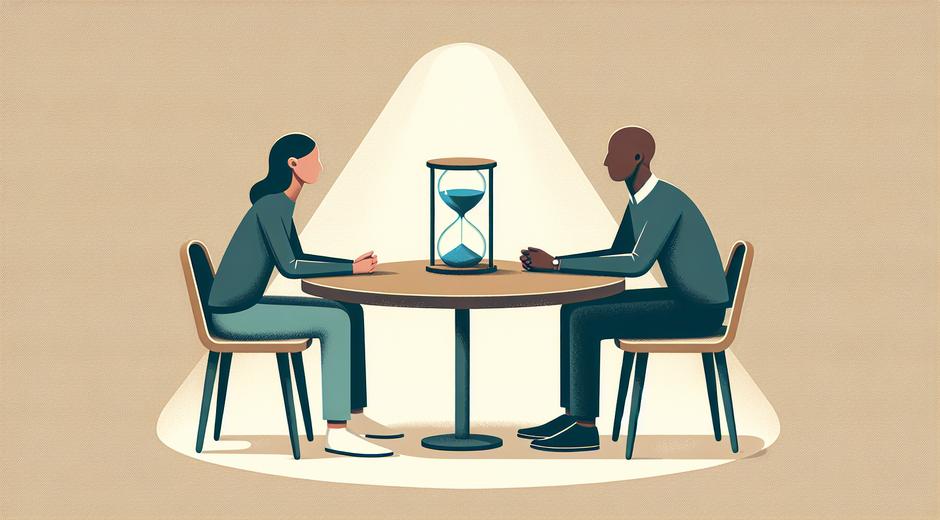


Shared Values That Build Strong Relationships Workplaces and Communities
Shared Values are the invisible glue that holds people together. Whether you are building a romantic bond raising a family creating a team at work or growing a community around a hobby Shared Values guide choices shape expectations and create a sense of belonging. This article explores why Shared Values matter how to discover them and how to strengthen them so they support trust cooperation and long term success.
What Shared Values Really Mean
Shared Values are not a list of rules. They are a set of beliefs priorities and ideals that two or more people accept as important. They show up in everyday decisions in the way people speak about purpose in the way goals are set and in what actions are rewarded. When people share values they tend to agree on what counts as fair what is worth working for and how to treat each other.
Values include things like honesty responsibility respect care for others and curiosity. When these values are shared they turn into predictable patterns of behavior. Predictability reduces conflict and increases the feeling of safety that makes deeper cooperation possible.
Why Shared Values Matter in Personal Relationships
In close relationships Shared Values influence long term compatibility. Couples who agree on core issues like family priorities how to manage money and how to invest time in personal growth tend to navigate challenges more smoothly. When values diverge small disagreements can escalate into deeper conflict because each person interprets events through a different set of priorities.
Shared Values make routines meaningful. They create rituals around celebrations and everyday habits that reinforce connection. A couple who values learning will likely spend time reading discussing ideas and supporting each other in skill growth. Those routines become anchors in times of stress.
For practical guidance about relationship building and everyday tips on improving connection visit romantichs.com where you can find actionable steps and real life examples that help turn values into habits.
The Role of Shared Values at Work
Workplaces with clear Shared Values attract people who resonate with that mission. Teams that share values such as transparency collaboration and excellence perform better because members trust each other to act in ways that support collective goals. Shared Values reduce administrative overhead since team decisions can be guided by a common framework rather than endless debate.
Hiring for Shared Values is a proactive strategy. Skill gaps can be addressed with training while value gaps are more likely to create friction. Leaders who model desired values set the tone and create a culture where those values become a living part of daily work.
When companies align their policies rewards and leadership behavior with stated values they create consistency. This consistency helps with retention morale and external reputation. Customers and partners also respond to authenticity and will prefer working with organizations that live their values.
Shared Values in Communities and Groups
Communities form when people gather around shared interests and shared values. Hobby groups volunteer teams and neighborhood associations thrive when members agree on basic norms such as respect for time fairness in participation and openness to newcomers.
Shared Values guide how communities handle conflict how decisions are made and how newcomers are welcomed. Clear values help communities grow without losing identity. For instance gaming communities or hobby networks often map their shared values into codes of conduct and moderation practices that keep spaces inviting and safe. Learning from how diverse communities communicate can inspire better practice in your own group and in other contexts such as civic engagement or social activism. For examples of how interest based communities shape culture and conversation visit GamingNewsHead.com to see how shared interest and value frameworks create lasting spaces for exchange.
How to Discover Shared Values
Discovering Shared Values begins with intentional listening. Here are practical steps that work across relationships teams and communities:
– Ask open questions that explore priorities not just preferences. Ask what matters most in decision making and why.
– Listen for stories. People reveal values when they tell stories about times they felt proud upset or motivated.
– Compare expectations. Discuss what each person assumes about roles responsibilities and rituals.
– Look for patterns. Values surface in repeated choices about time money and attention.
– Try small experiments. Test an approach for a set period and reflect on how it aligns with what matters.
Use neutral language to avoid judgment and create space for honest answers. The goal is to find overlap not to force agreement. Where values differ work to build shared principles that respect variation.
How to Build and Strengthen Shared Values
Once Shared Values are identified the work is to make them visible and actionable. Here are techniques that help:
– Name the values. Put them in simple language so they can be referred to in real time.
– Create rituals that embody the values. Regular check ins celebrations of milestones or simple gratitude practices reinforce what matters.
– Align systems with values. For teams this means policies evaluation processes and rewards that reflect the chosen values.
– Model values in leadership and in daily actions. People follow what they observe more than what they are told.
– Revisit values periodically. As life changes values can shift. Check in to ensure the shared set still fits.
When values are made practical they become tools for decision making. That reduces stress and increases confidence in group choices.
Handling Conflicts Around Values
Conflict about values is normal. Differences do not mean a relationship or a team is failing. They are opportunities for growth when handled with care. Strategies include:
– Clarify the underlying need. Many value clashes arise from unmet needs such as safety belonging or autonomy.
– Seek common ground. Even different values often share a root intent like care or fairness.
– Negotiate boundaries. Where values differ create agreements that respect both sides.
– Use neutral facilitation for tough issues. A third party can help translate differences into practical compromises.
Healthy conflict resolution strengthens Shared Values because it tests them in practice and refines how they are applied.
Measuring the Impact of Shared Values
Impact can be seen in qualitative and quantitative ways. In personal relationships impact shows up as reduced frequency of fights increased time spent together and higher satisfaction. At work it shows up as higher retention better performance and more innovation. In communities impact shows in sustained participation healthier moderation outcomes and more diverse membership.
Track simple indicators such as frequency of aligned actions number of disagreements resolved by appeal to shared values and feedback from members about clarity and trust. Use those measures to adjust practices.
Practical Tips for Everyday Life
To bring Shared Values into daily life start small. Use these tips:
– Start conversations about values during calm times not only in crisis moments.
– Use stories to highlight values in action.
– Celebrate moments when values guided a good outcome.
– Make values visible in shared spaces such as notes agendas or group chats.
– Teach younger members by modeling and explaining why certain choices are made.
Shared Values grow when they become part of how people talk and act rather than a list stored in the back of the mind.
Conclusion
Shared Values are a core asset for any relationship team or community. They reduce friction increase trust and provide a compass for decisions large and small. By discovering naming and practicing Shared Values you create a resilient foundation that supports growth and connection. Start by listening naming the priorities and then aligning routines and systems to those values. The effort pays off in more meaningful relationships stronger teams and more vibrant communities.
For ongoing tips strategies and real life examples that help you cultivate Shared Values in love life work and daily routines visit our home page and explore guides and stories that help you put values into action.