




Strong Together: Building Resilient Relationships That Last
The Hidden Foundation of Love
We often focus on chemistry, shared hobbies, or physical attraction in relationships but one of the most crucial elements is emotional safety. When both partners feel safe to express their feelings, show vulnerability, and share their true selves without fear of judgment or dismissal, the connection deepens. Research in the psychology of relationships shows that communication, trust, and responsiveness are core to healthy bonds. insightspsychology.org+2psych.on.ca+2
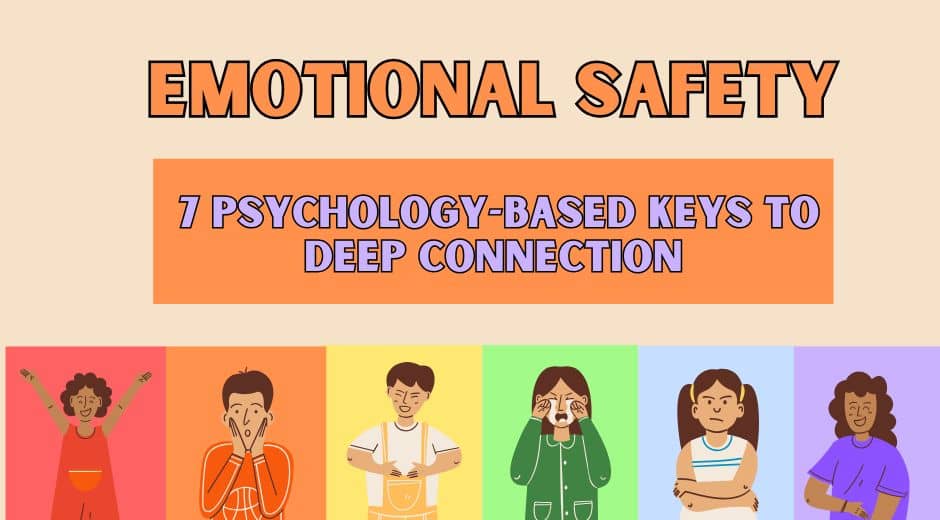
This article explores seven psychological keys to building emotional safety keys you can apply today to transform your connection. And for inspiration from couples who have succeeded together, check out these 6 Inspiring Relationship Wins that show how strong bonds grow over time.
1. Vulnerability as Strength
Being vulnerable with your partner doesn’t mean weakness it means trust. Sharing your fears, dreams, and mistakes gives your partner the chance to respond with empathy and support. This strengthens your emotional base and increases intimacy. When you risk being seen, you allow connection rather than protection.
2. Responsiveness and Presence
Emotional safety is largely defined by how partners respond when one of you reaches out. Do you pause what you’re doing and truly listen? Do you acknowledge feelings without rushing to fix them? Research shows that responsiveness feeling heard and cared for is central to relational well-being. psych.on.ca+1 Practically, this looks like eye contact, reflective listening (“What I hear you saying is…”), and validating phrases (“That sounds hard I’m here”).
3. Shared Vision and Values
-
When you feel your partner understands your values and life vision, emotional safety grows because you feel seen and aligned. Studies in romantic motivations suggest our values drive partner choices and relationship dynamics. PMC+1 What this means: talk about your goals, your “why,” your hopes for the future. When partners share a vision, they build a safe container for love and growth.
4. Secure Attachment Roots
Attachment theory underpins much of relationship psychology. Secure-attached partners tend to feel safe exploring together, while insecure styles may struggle with trust or intimacy. socialinteractionlab.psych.umn.edu+1 Identifying your attachment patterns and working toward greater security is one of the deepest keys to emotional safety.
5. Space for Conflict and Reconnection
Emotional safety doesn’t mean absence of conflict. It means knowing disagreements won’t threaten your connection. Couples who feel safe argue, forgive, and re-connect without fear. The ability to repair, apologize, and rebuild is essential. Some psychologists call this the “Michelangelo phenomenon,” in which partners sculpt each other toward their better selves.
6. Self-Insight and Personal Growth
Emotional safety also comes from within. When you know yourself, your needs, your triggers, you can show up more authentically and your partner can meet you there. Personal growth and self-reflection strengthen the foundation of shared connection. In fact, when you engage in ongoing self-work, your relationship becomes a space of evolution rather than stagnation.
7. Rituals of Reconnection
Finally, emotional safety thrives through repeated small acts that reinforce you are on the same team. Daily rituals like a shared check-in at the end of the day, a walk together, or simply asking “How are you really?” act like glue. Technology and culture often push us toward distraction. To resist that, make reconnection intentional. For practical ideas in other parts of your life, especially when balancing many demands, you can explore wellness tools like those at Fixolix.com resources that support how you maintain your environment, habits, and mindset.
Conclusion: Building a Safe Love That Lasts
Emotional safety isn’t a one-time achievement it’s a continuous practice. It shows up in vulnerability, presence, shared vision, healthy conflict, self-growth, and daily reconnection. When you commit to these keys, your relationship becomes a stable base from which both partners can grow, explore, and thrive together.
“Connection thrives when you feel safe enough to be yourself.”
Start by choosing one key be it deeper vulnerability, intentional listening, or a nightly ritual and take one step today. Over time, these steps build the strong, resilient connection you both deserve.
The Pulse of Love and Dating

Secure Bonding Beyond Attachment Labels

Emotional Availability and Deep Connection

Why Mutual Effort Sustains Healthy Love

Relational Awareness and Understanding Your Partner

What Emotional Presence Really Means in Relationships

Breakup Recovery, How to Heal, Rebuild, and Start Again Strong

Jealousy Triggers, Understand Them and Respond With Confidence